
 IMEDENT / 06
Product Overview
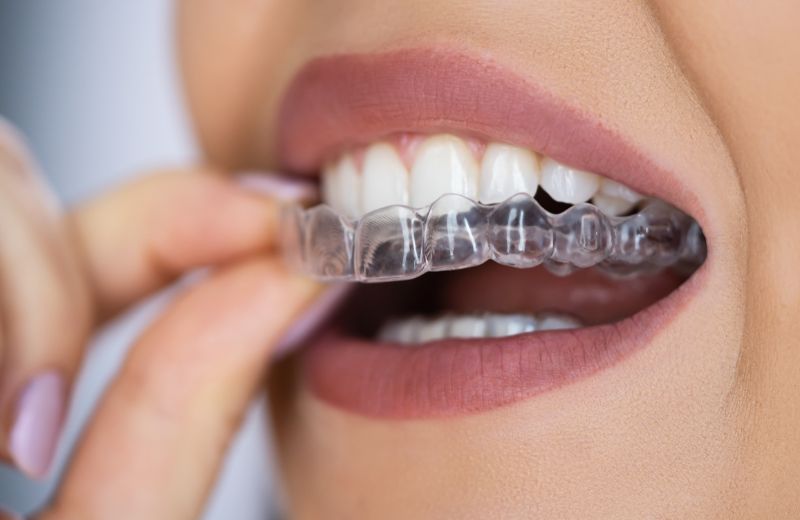
Custom night guards form a protective barrier between teeth during grinding and clenching, known as bruxism. They may help reduce tooth wear and manage tension in the jaw muscles.
Bruxism can accompany tooth wear, jaw pain, headaches and temporomandibular joint symptoms. Night guards may be soft, hard or dual-layer; the dentist selects the material and design. Morning jaw pain or enamel wear requires assessment. A standard bruxism guard is not a treatment for sleep apnoea.
Use and maintenance
Product selection and treatment planning are the dentist’s responsibility. Suitability, maintenance and service life depend on the individual patient.
Frequently Asked Questions
What does a night guard do?
It helps reduce grinding-related wear and supports management of associated jaw symptoms.
Can it be comfortable?
Custom impressions and fit support comfort. An adjustment after initial use may be needed.
How long does it last?
It may last several years depending on care and grinding intensity; wear and distortion need regular checks.
Can it treat sleep apnoea?
A standard bruxism guard does not treat sleep apnoea. Separate assessment and, when appropriate, a specialised mandibular advancement device are required.
How is it cleaned?
Rinse daily with lukewarm water. Use a non-abrasive product recommended by the dentist; avoid hot water and harsh chemicals.